
Precision Digging That Supports Safe Construction
Excavation in Hot Springs for digging foundations and drainage systems that prevent settling and water damage
Clients Choice Contracting offers full-service excavation for residential and small-scale development projects across Hot Springs. You need precise digging when preparing for a new foundation, installing a drainage system, or restructuring a site to support safe building. The difference between a stable foundation and one that cracks within months often starts with how well the earth is removed, measured, and prepared before concrete is ever poured.
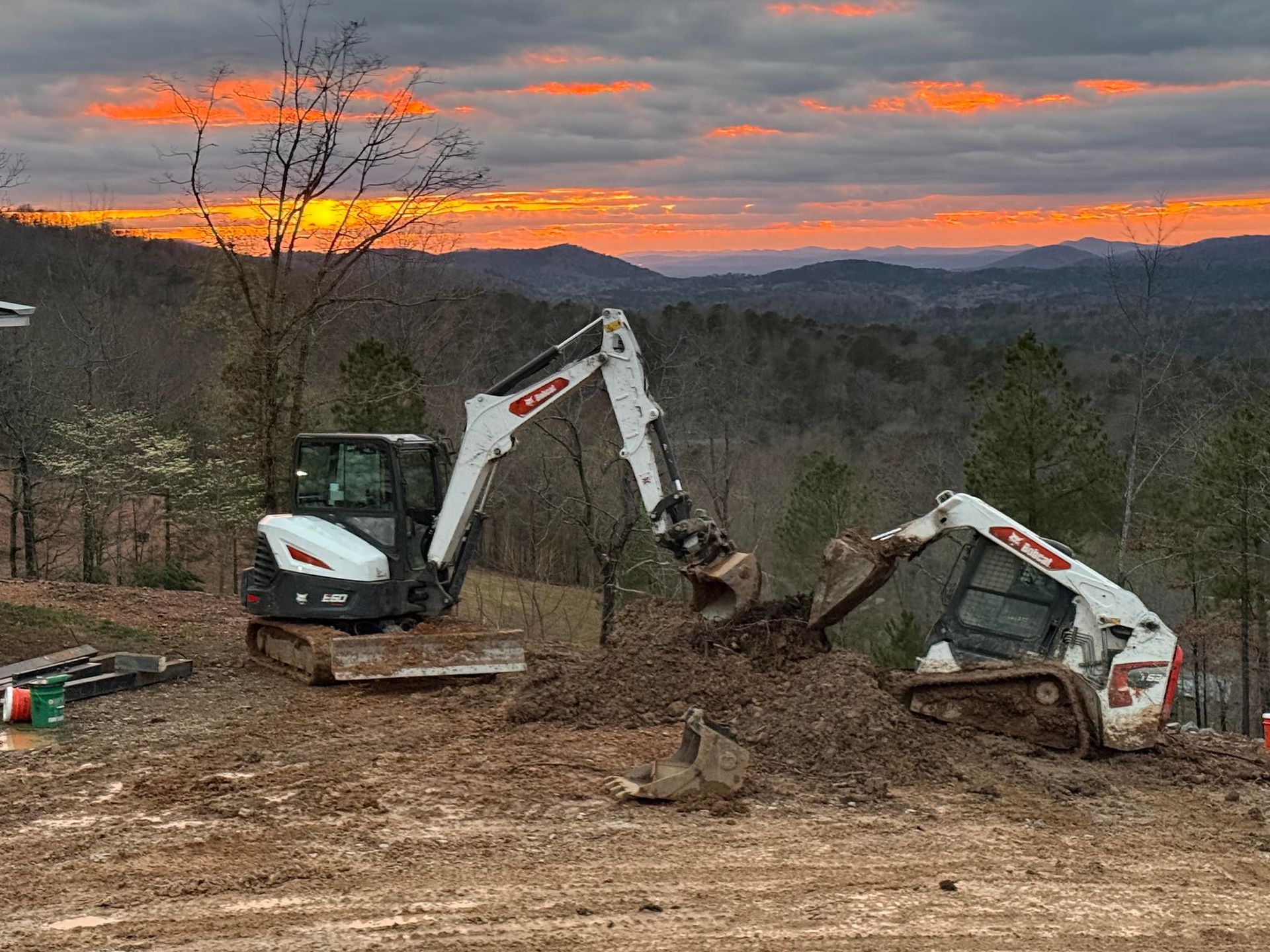
This work involves more than removing dirt. Excavation requires reading soil conditions, knowing when to dig deeper for stable bearing, and identifying where water will move once the ground is opened. In Hot Springs, you encounter clay-heavy soils that hold water and sandy layers that shift unpredictably. The crew adjusts depth, width, and compaction based on what the site reveals. Their excavator is equipped with a tilt rotator, which allows for more precise grading, trenching, and material placement in tight spaces or on uneven terrain. That added flexibility helps complete complex cuts and angles with greater accuracy while reducing unnecessary disruption to surrounding areas.
Whether you are building a home addition, preparing a pad for a garage, or opening trenches for stormwater lines, the excavation sets the grade and drainage pattern everything else depends on. Schedule a free local estimate to walk the property and plan excavation that keeps your project on schedule and built to last.
How the Ground Gets Prepared for What Comes Next
You start with a site visit to mark utilities, test soil stability, and confirm the dig zone. The excavator removes earth in layers, checking compaction and moisture as it goes. If drainage lines are part of the scope, trenches are dug to exact slope so gravity moves water where it belongs. Clients Choice Contracting works with varied soil conditions common to the area, adjusting equipment and technique when rock or saturated clay appears mid-dig.
When the work is finished, you see a clean excavation with level base, proper depth, and stable walls. The footer trench holds its shape without caving. The drainage line sits at the correct fall. The pad is compacted and ready for gravel or concrete. These are the conditions that let the next phase begin without delay or costly corrections.
This service does not include hauling fill dirt or pouring concrete, but it does support follow-up work like grading and drainage installation. The excavation is designed to align with your larger project, not just clear dirt and move on.
What to Know Before Excavation Starts
Most excavation questions come up during the planning stage, when you are deciding how deep to dig or whether drainage should be part of the same visit.
What happens if the soil is wetter than expected?
You may need to let the site dry for a day or bring in compacted stone to stabilize the base before digging continues.
How deep does a foundation trench need to go in Hot Springs?
Depth depends on frost line, soil type, and load, but residential footers typically start at least eighteen inches below finished grade.
When should drainage lines be installed during excavation?
They go in after the trench is dug to slope but before backfill, so the pipe stays aligned and surrounded by the right material.
Why does excavation sometimes uncover rock or clay layers mid-project?
Soil composition varies across even small lots, and what shows at the surface does not always match what sits three feet down.
How long does typical residential excavation take?
A foundation dig for a modest home addition usually takes one to two days, depending on access and soil conditions.
Clients Choice Contracting handles excavation with attention to the details that keep your timeline intact and your foundation stable. Call (501) 547-6740 to discuss your project and get a free estimate based on your site and scope.