
Demolition Services
Pond & Creekside Restoration in Hot Springs, AR
A pond loses depth to sediment a little every year, and over two or three decades the buildup can swallow a third of the water it once held. Clients Choice Contracting handles pond restoration and creek restoration across Hot Springs, AR and the Tri-Lakes, from farm ponds in Pearcy and Bismarck to the shoreline coves and feeder creeks around Lake Ouachita, Lake Hamilton, and Lake Catherine. We dredge out old sediment buildup, rebuild slumped pond edges, and stabilize creek banks that lose ground every spring. Across more than 30 years of moving Ouachita ground, we have learned how deep the muck runs and how hard the next storm will push against a bank once it is shaped.
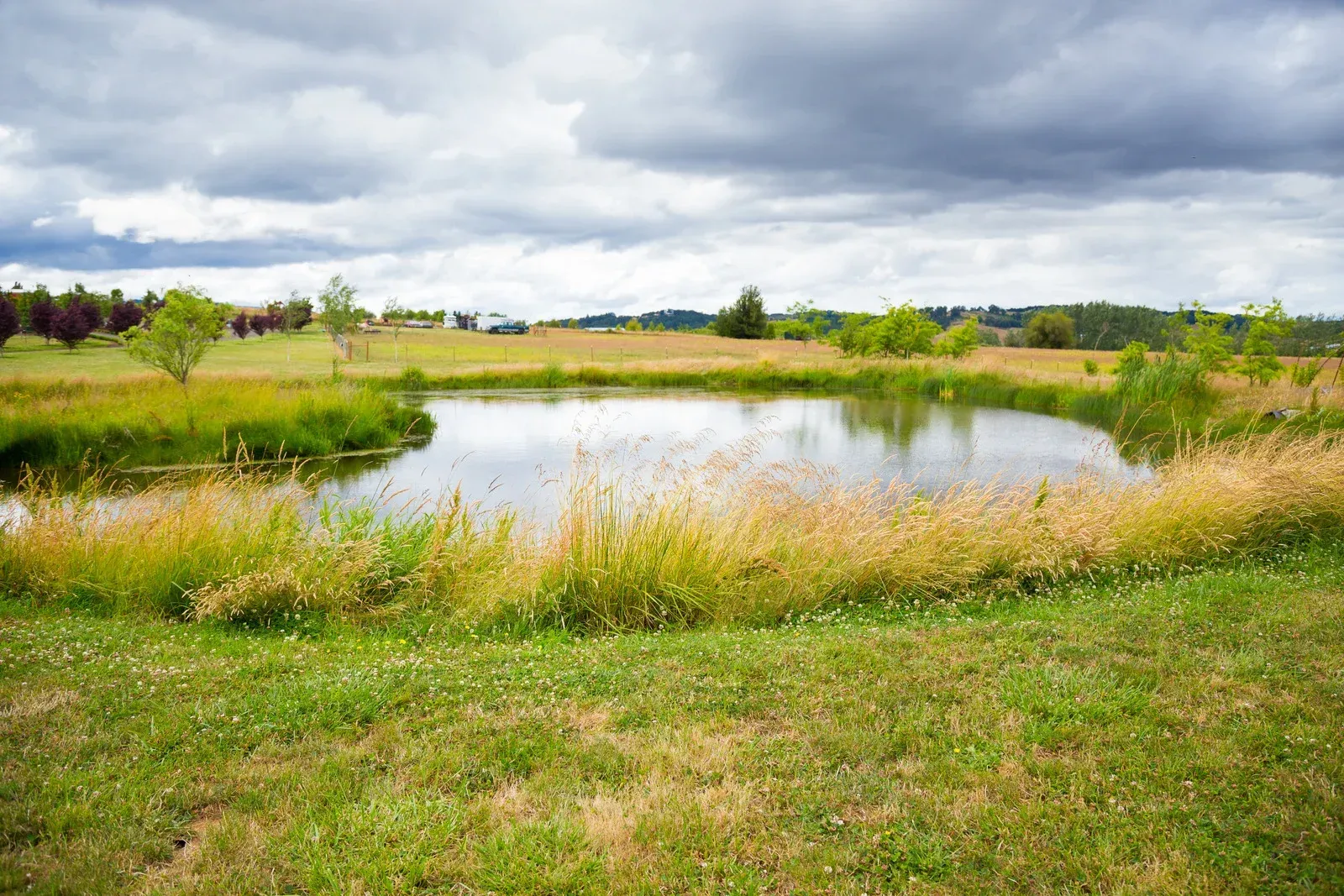
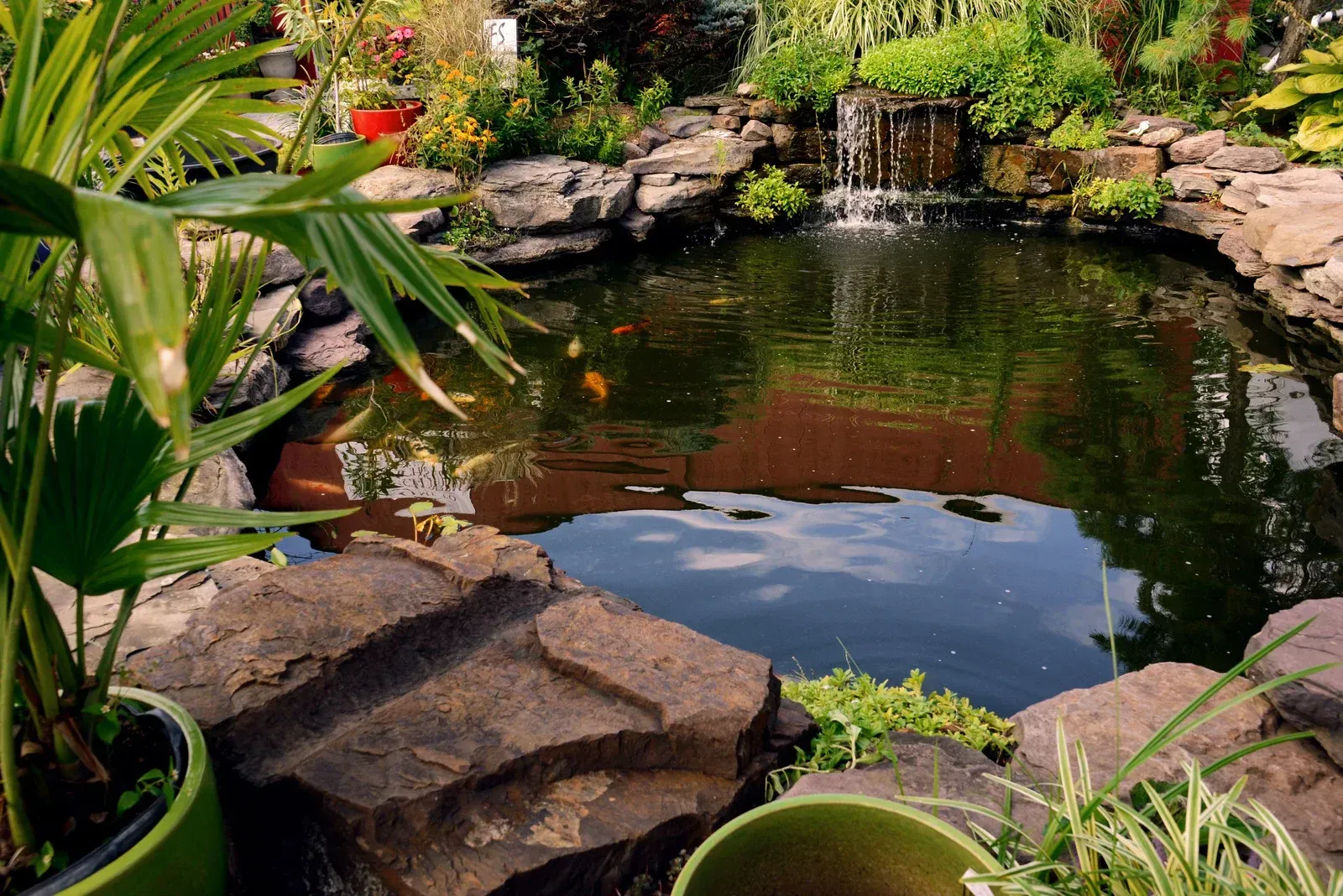
RECLAIM YOUR BANKS!
A pond edge that has slumped into the water and a creek bank cutting further into your property every storm are the same problem wearing two faces: ground that used to hold is now moving. We pull the sediment back out, rebuild the edge on material that stays put, and armor the toe where the water hits hardest. The bank you reclaim is one you can mow up to, fish from, and stop losing an inch of every spring.
Left alone, both only get worse, because moving water takes the easy path and a soft bank is the easiest path there is.
- Old sediment dug out and hauled or spread
- Pond edges rebuilt and shaped to hold
- Creek banks stabilized at the toe
- Work staged to beat the next heavy rain
POND & CREEKSIDE RESTORATION
SEDIMENT IS WHY THE POND GOT SHALLOW.
Every acre draining into a pond carries dirt with it, and all of that dirt ends up on the bottom. The result is a pond that is warmer, murkier, choked with weed, and a fraction of its old depth. Pond sediment removal is the fix, and it means getting the muck out rather than pushing it to the side where the next rain washes it straight back in. We dig it, dewater it, and move it somewhere it will stay, so the sediment buildup removal actually holds instead of recycling itself.
A CREEK BANK FAILS FROM THE BOTTOM UP.
A bank almost never collapses from the top. Water undercuts the toe, the ground above loses its footing, and a slab of your property slides into the creek. Dumping fill on top of that is money thrown in the water. Creek bank restoration starts at the bottom, with rock or a keyed toe that takes the current, then the slope above gets rebuilt and planted so roots can take hold before the next high water.
READING WATER TAKES MORE THAN A MACHINE.
Anyone can dig a hole in a pond or stack rock on a bank. Knowing how far the water will rise, which way the current will turn once a bank is reshaped, and how much slope a repair needs to survive 58 inches of rain a year takes time spent on this ground. More than 30 years of it is what keeps a restoration from washing out the first season. Would you rather find out the repair holds now, or during the next storm?
WHY CHOOSE US FOR POND & CREEKSIDE RESTORATION.
DEPTH YOU GET BACK
A dredged pond holds more water, runs cooler, and clears up, so it supports fish and livestock through a dry Arkansas August instead of turning into a warm green puddle.
A BANK THAT STOPS RETREATING
A toe that is armored and a slope that is planted stop the creek from taking another foot of your land every spring, which is the whole reason the bank was worth fixing.
WATER THAT CLEARS UP
Pulling the muck and the nutrients it holds out of the bottom knocks back the algae and weed that cloudy, shallow water feeds, so the pond looks and fishes the way it used to.
LAND THAT STOPS WASHING AWAY
Every storm that undercuts a bank carries a piece of your property downstream for good. A proper repair keeps that ground where your deed says it is instead of in the next county.
A FIX BUILT FOR HIGH WATER
Repairs are sized for what the water does in a real storm, not on the calm day we quote them, so the work is still there after the kind of spring that takes out a patch job.
ONE CREW IN AND OUT OF THE WATER
Dredging, bank work, rock, and cleanup all come from the same crew with the same equipment, so nobody is waiting on a second contractor while the pond sits open and the bank keeps sliding.
WHAT WE RESTORE
OUR POND & CREEKSIDE RESTORATION WORK
Restoration is not one job. What a property needs depends on whether the water is standing or moving and what it has done to the ground around it, so these are the six versions we are asked for most.
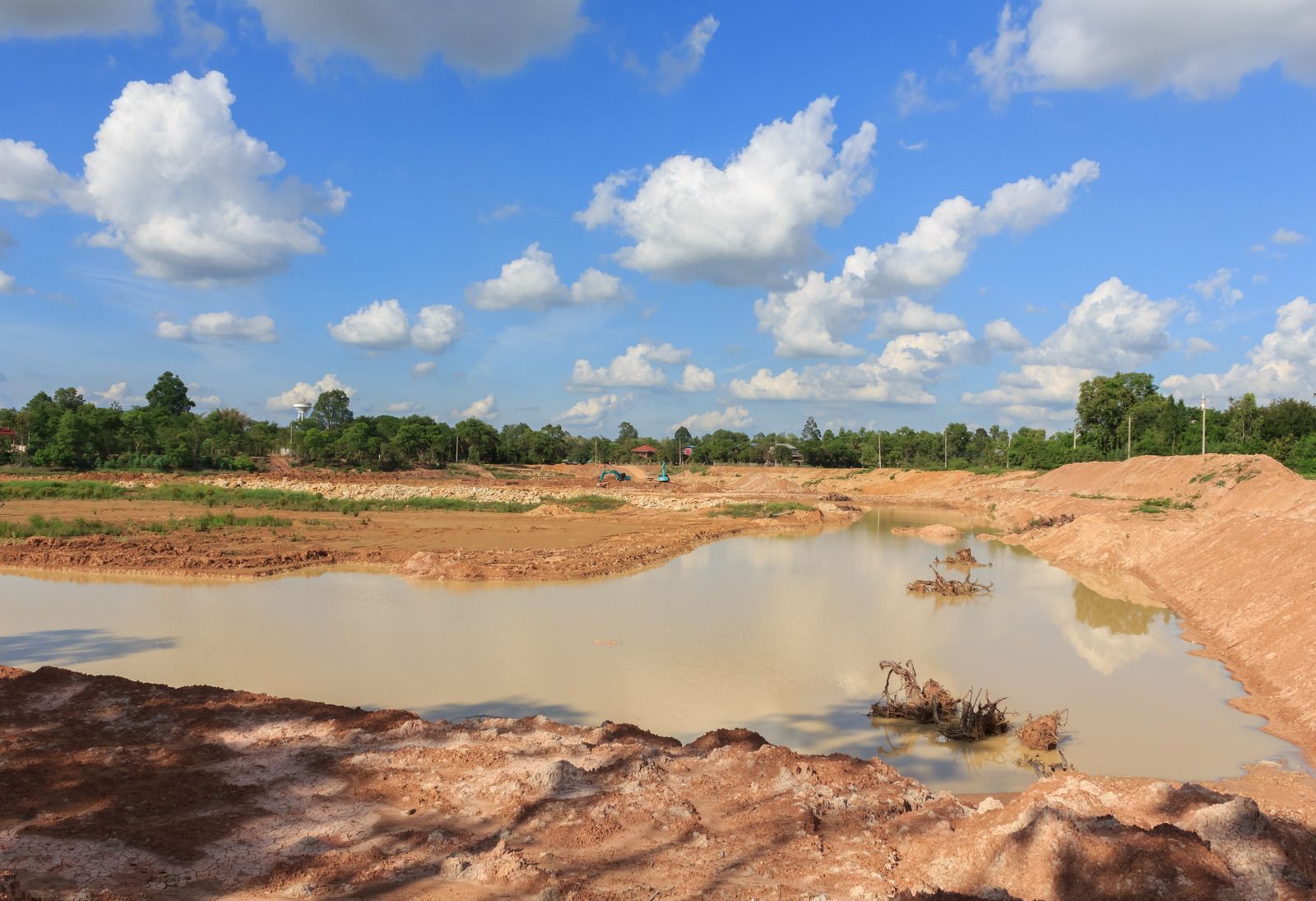
POND DREDGING
Pond Dredging and Deepening
Years of accumulated bottom material dug back out to restore depth, volume, and cooler water. The pond holds more, stays clearer, and supports fish again instead of filling with weed every summer.
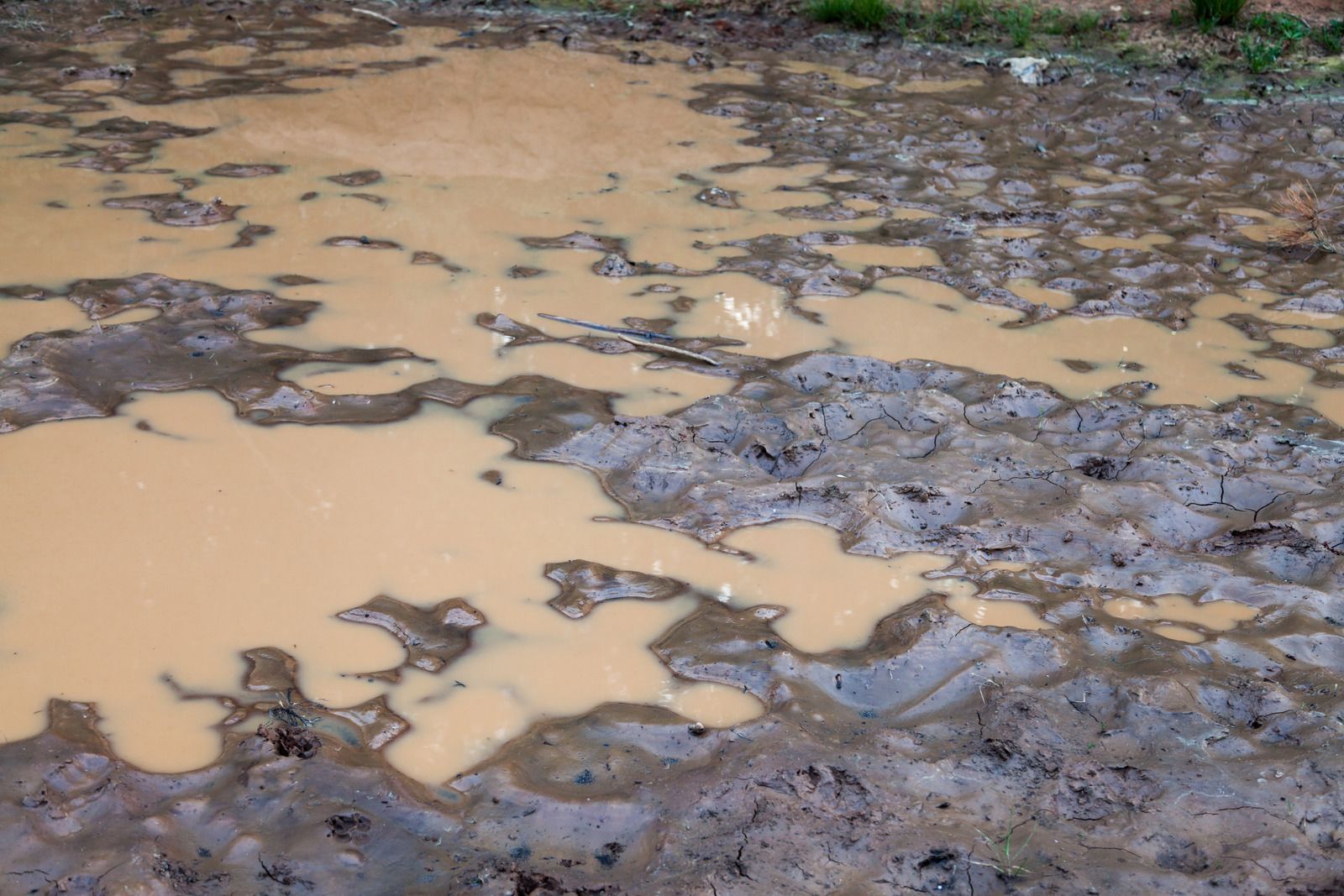
SEDIMENT
Sediment and Muck Removal
Soft organic muck and washed-in silt pulled from the bottom, dewatered, and moved off the water. Pond sediment removal that lasts means hauling or spreading it where runoff cannot carry it straight back in.
POND EDGES
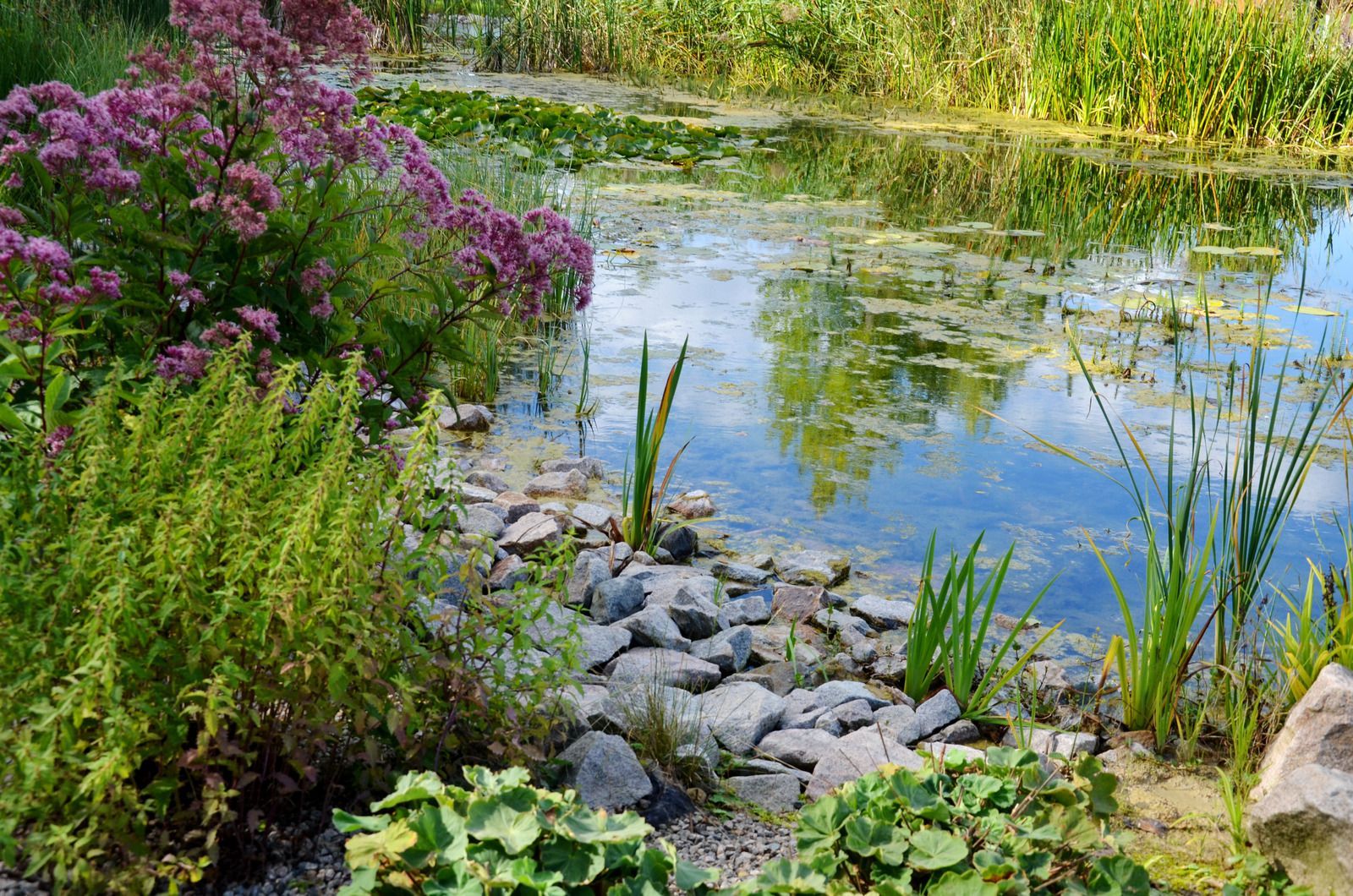
Pond Bank Shaping and Repair
Slumped and eroded edges rebuilt to a stable slope, keyed into firm ground, and seeded or rocked. A shaped edge sheds water, resists the next slump, and gives you something to mow up to.
CREEK BANKS
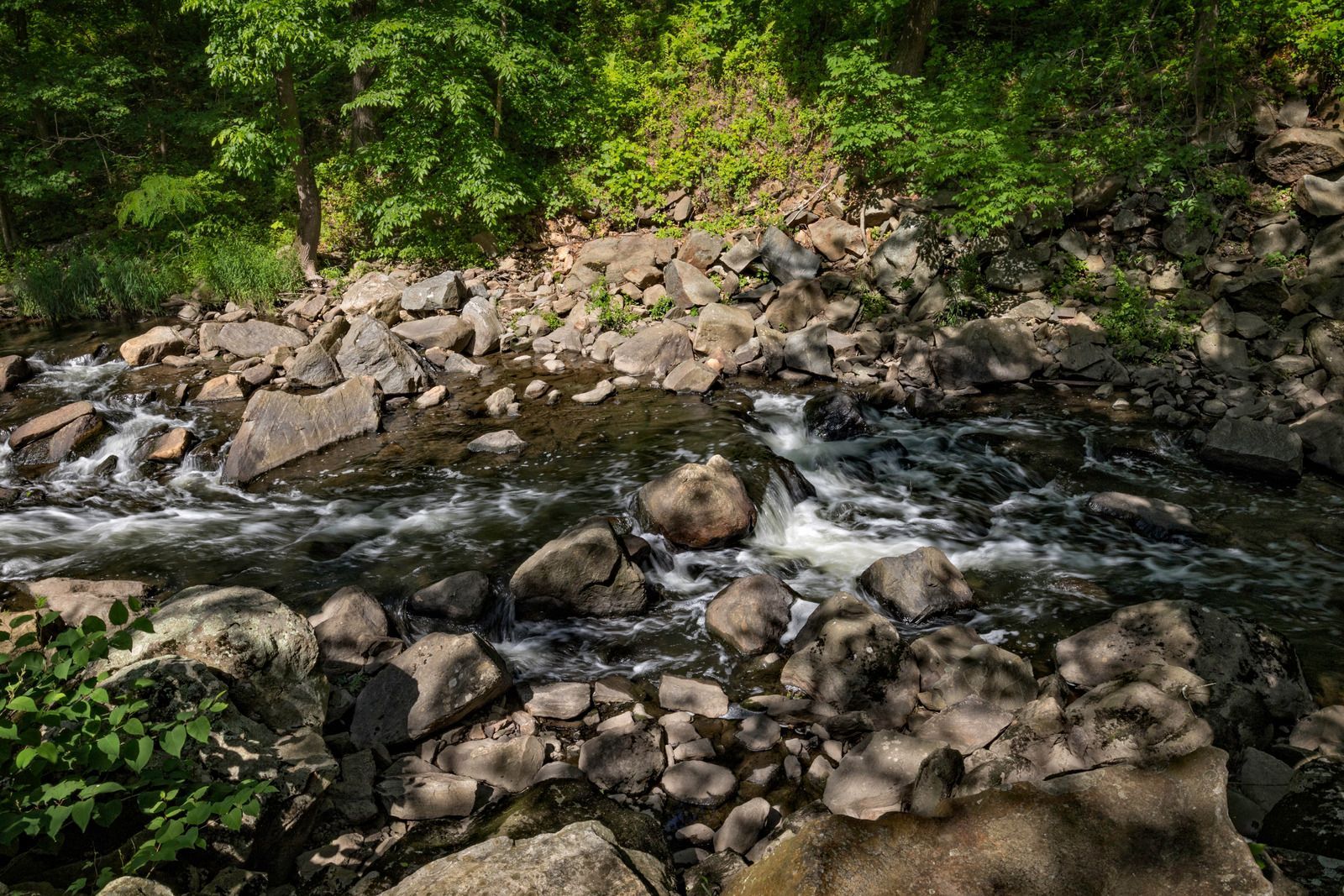
Creek Bank Stabilization
Eroding banks rebuilt from the toe up with rock, grading, and planting. Creek bank restoration that starts at the waterline holds, because armoring the bottom is what stops the undercut that drops the ground above.
CHANNELS
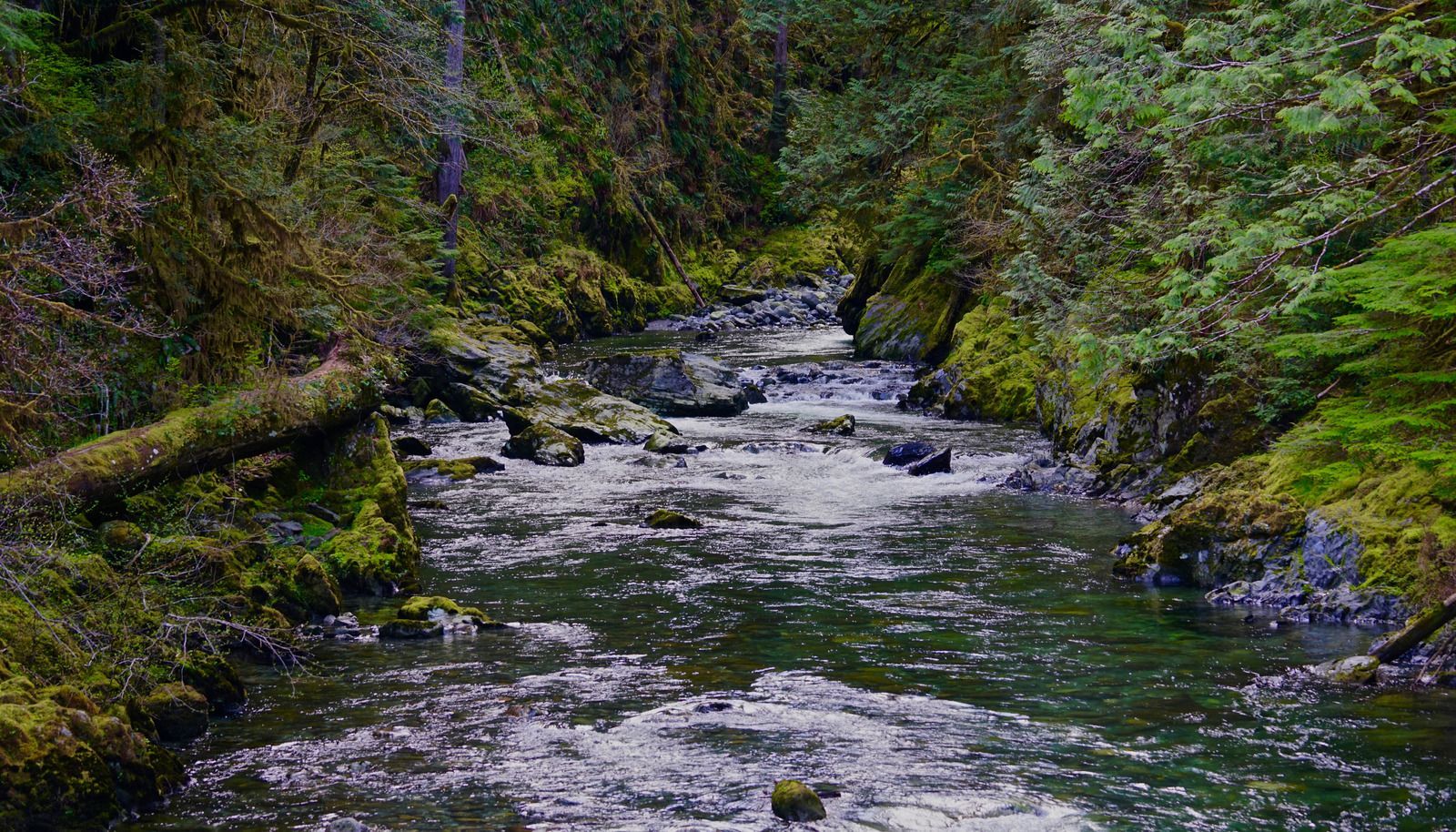
Creek and Channel Clearing
Silt bars, fallen trees, and debris cleared from a choked channel so water moves through instead of spreading sideways into your banks. Opening the channel takes pressure off every bend downstream.
CLEANUP
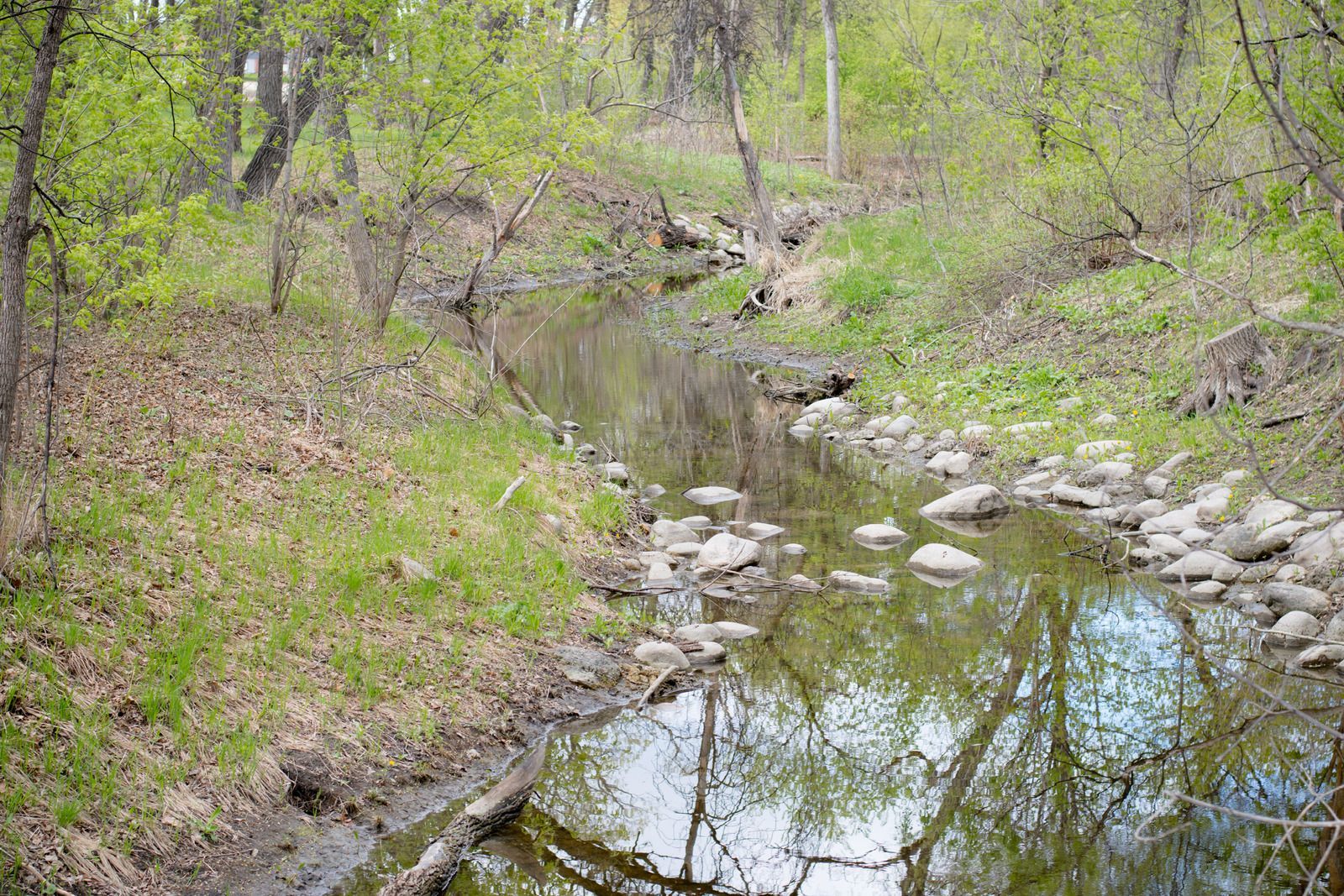
Pond and Creek Cleanup
Overgrowth, blowdown, trash, and brush pulled off the water and the banks around it. Pond and creek cleanup opens the view, restores access, and makes the next restoration step possible.
THE WORD ON OUR WORK
WHAT OUR CLIENTS SAY.
The pond and creek jobs people talk about are the ones that gave them back something they thought they had lost: a pond deep enough to swim and fish again, a bank that quit eating into the yard, a creek running clear through a property instead of spreading across it. Owners around Garland County and the Tri-Lakes have watched that happen in a week, and their words carry more weight than ours.
FAQ
FREQUENTLY ASKED QUESTIONS.
Pond and creek questions usually land on the same few things: what is causing the problem, where the sediment goes, and whether a repair will actually hold through high water.
What is the difference between pond restoration and just cleaning it out?
Cleaning skims what floats and trims the edges. Restoration gets to the cause, digging out the sediment buildup on the bottom, rebuilding slumped banks, and fixing the drainage that fills the pond in. One is cosmetic, the other lasts.
Watch for which signs mean my pond needs sediment removed?
Water that keeps getting shallower, warmer, and greener, cattails marching in from the edges, or a bottom you can wade across that used to be over your head. Any of those means sediment buildup removal is overdue.
Where does the sediment go after you dig it out?
Most of it stays on your property. Dredged material is dewatered and spread on a field or low area where it will not wash back, or hauled off when there is nowhere suitable. Reusing it on site keeps the cost down.
Can a creek bank be stabilized without concrete?
Yes, and usually it should be. Rock at the toe, a reshaped slope, and deep-rooted plantings hold a bank while still letting it absorb a flood. Creek bank restoration done this way outlasts a concrete wall the water simply goes around.
Do I need a permit to work in a creek or pond in Arkansas?
Sometimes. Work in a flowing stream or a jurisdictional waterway can require a federal permit, while an isolated farm pond often does not. We help you figure out which applies before any machine gets near the water.
Late in the year or spring, when is pond and creek work best?
Late summer and fall, when water is low and the ground is firm. A pond can often be drawn down for easier digging, and creeks run at their calmest. Spring is the hardest season, with 58 inches of annual rain landing heaviest then.
Pond size aside, how long does restoration take?
A small cleanout can run a few days, while dredging a larger pond and rebuilding its banks takes a week or more. Access, how wet the material is, and where it goes afterward move that number more than size alone.
Will restoring the bank stop my property from washing away?
A bank repaired from the toe up, with rock where the current hits and roots holding the slope, stops the ongoing loss for good. Patching only the top rarely does, because the water keeps undercutting the bottom.
HOW WE WORK
FROM A LOSING BANK TO GROUND THAT HOLDS, HERE IS HOW.
STEP 01
Walk the water line with you
We walk the pond edge or the creek bank with you, look at where the water is going and what it is taking, and find the cause rather than pricing the symptom you can see from the house.
STEP 02
Put a written number in front of you
You get a free written estimate covering the sediment to move, the bank work, any rock, and where the material ends up. Each piece is broken out so you can see what every part of the job costs.
STEP 03
Check what the water needs for permits
Where the work touches a flowing stream or a jurisdictional waterway, we help identify the permits before anything starts, so a restoration does not turn into a violation halfway through.
STEP 04
Draw the pond down or divert the flow
A pond is lowered where that makes the digging cleaner, and a creek is diverted or worked in the dry season so the machine is cutting material instead of chasing it around underwater.
STEP 05
Remove sediment and rebuild the banks
Muck and silt come out and go where they will stay, then the banks are shaped, keyed in, and armored at the toe. Rock goes where the current hits hardest rather than evenly along a calm stretch.
STEP 06
Plant, seed, and walk the finished edge
Rebuilt slopes are seeded or planted so roots lock the ground down before high water, loose material is cleaned up, and we walk the finished edge with you before the equipment loads out.
Get Your Free Estimate
LET US LOOK AT THE WATER LINE WITH YOU.
A pond or a creek bank only gets more expensive to fix the longer it is left, because every storm moves a little more ground and the repair has to reach further each time. We walk the edge with you, read where the water is going and what it is taking, and put a written number in front of you at no charge. There is no pressure and no obligation attached to it. Reach out through the contact page whenever you are ready, anywhere in Hot Springs, AR and across the Tri-Lakes.
WHAT YOUR RESTORATION ESTIMATE COVERS:
✓ Sediment depth and how much comes out
✓ Where the dredged material ends up
✓ Pond edge or creek bank work needed
✓ Rock, grading, and planting included
✓ Any permitting the water requires
✓ A start date and a working schedule